Rochester Clinic · Rochester, MN
Heal Better. Feel Better. Live Better.
At Rochester Clinic, we look beyond symptoms to understand the factors that may be affecting your health, healing, movement, and quality of life.
- 28+ years of clinical experience
- Mayo Clinic fellowship training
- Family-founded practice since 2010








Services
How Can We Help You?
Rochester Clinic provides specialized Foot, Ankle & Hand care alongside Family Medicine and other clinical services, all guided by a personalized, whole-person philosophy.
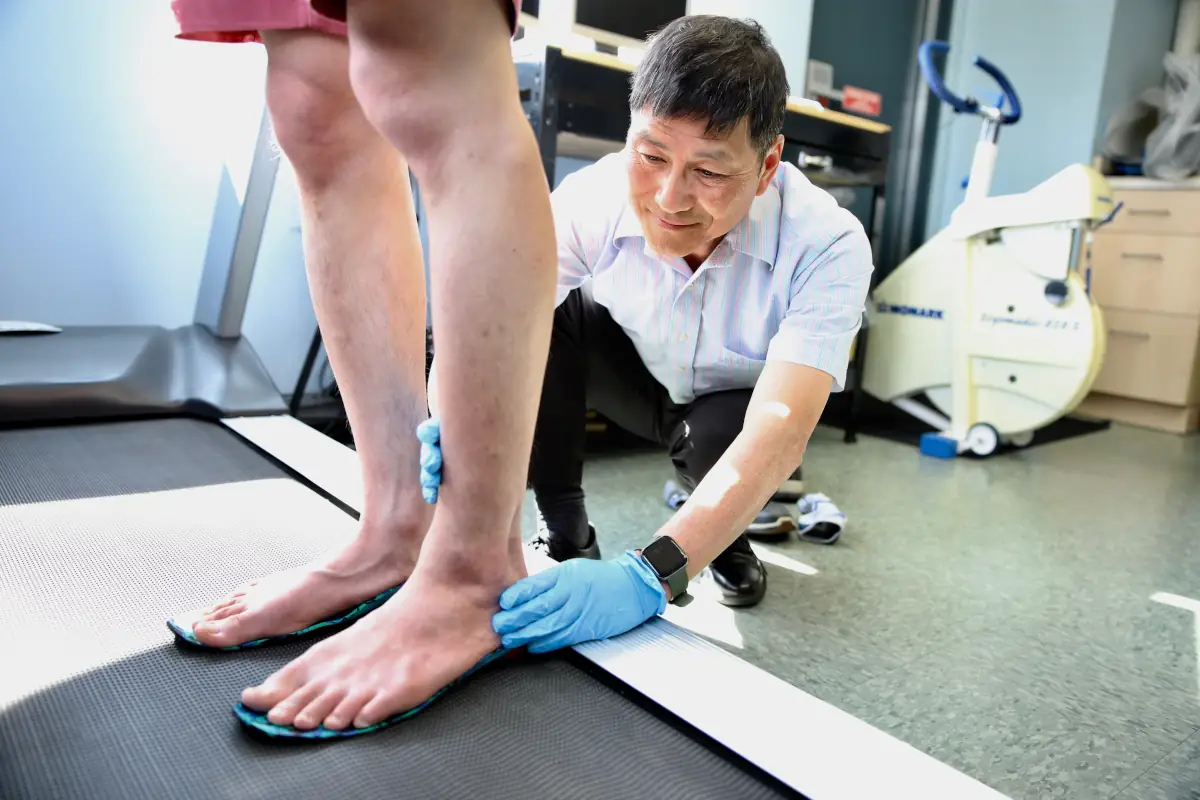
Foot, Ankle & Hand
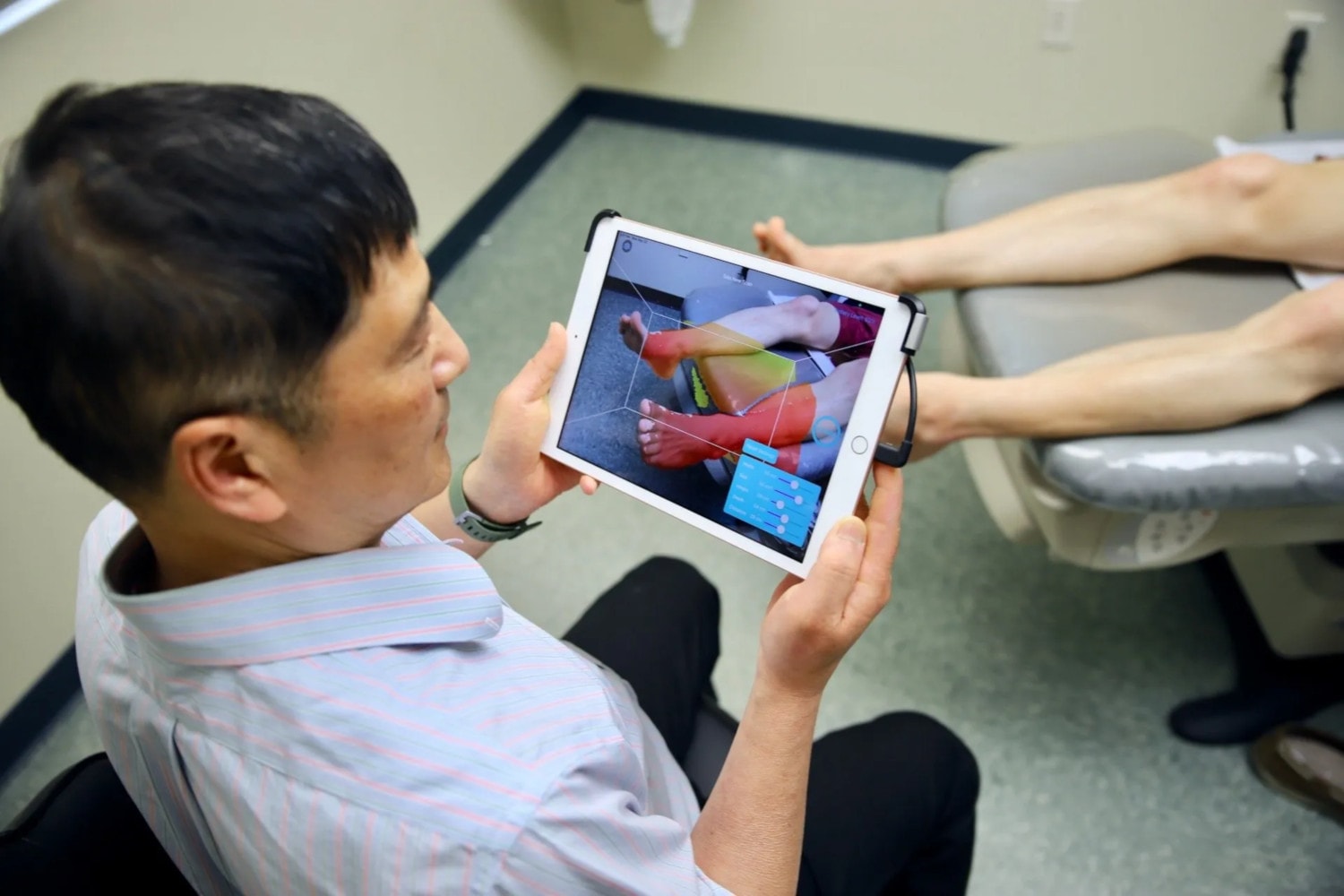
Specialized care for pain, injuries, nerve conditions, arthritis, biomechanics, diabetic foot concerns, and other conditions affecting movement and function.
Learn More
Family Medicine
Wide-ranging primary care from pediatrics to geriatrics, including preventative care.
Learn More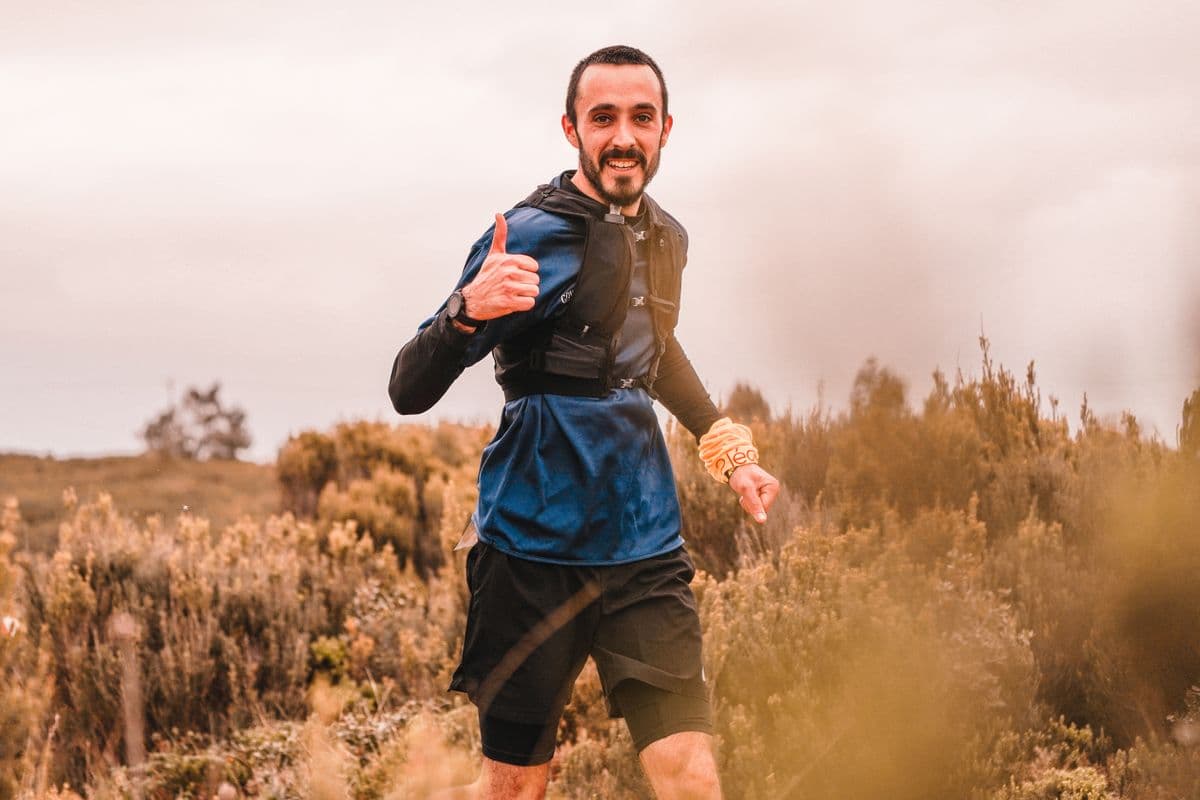
Sports & Activity Medicine
Care for active adults and athletes, from injury recovery to prevention and performance.
Learn More
Wound Care
Comprehensive care for wounds and the factors that influence healing.
Learn More
Occupational Medicine
Employee wellness and preventative care for healthier, safer workplaces.
Learn MoreHow We Practice
Three Clinical Perspectives. One Whole-Person Philosophy.
At Rochester Clinic, we look beyond symptoms and personalize care around your condition, health needs and goals.
Functional Medicine
Look Deeper.
Explore contributing factors and connections that may be influencing symptoms, health, and healing.
Learn More
Regenerative Medicine
Support Healing.
Use appropriate evidence-informed approaches designed to support function, recovery, and the body's healing processes.
Learn More
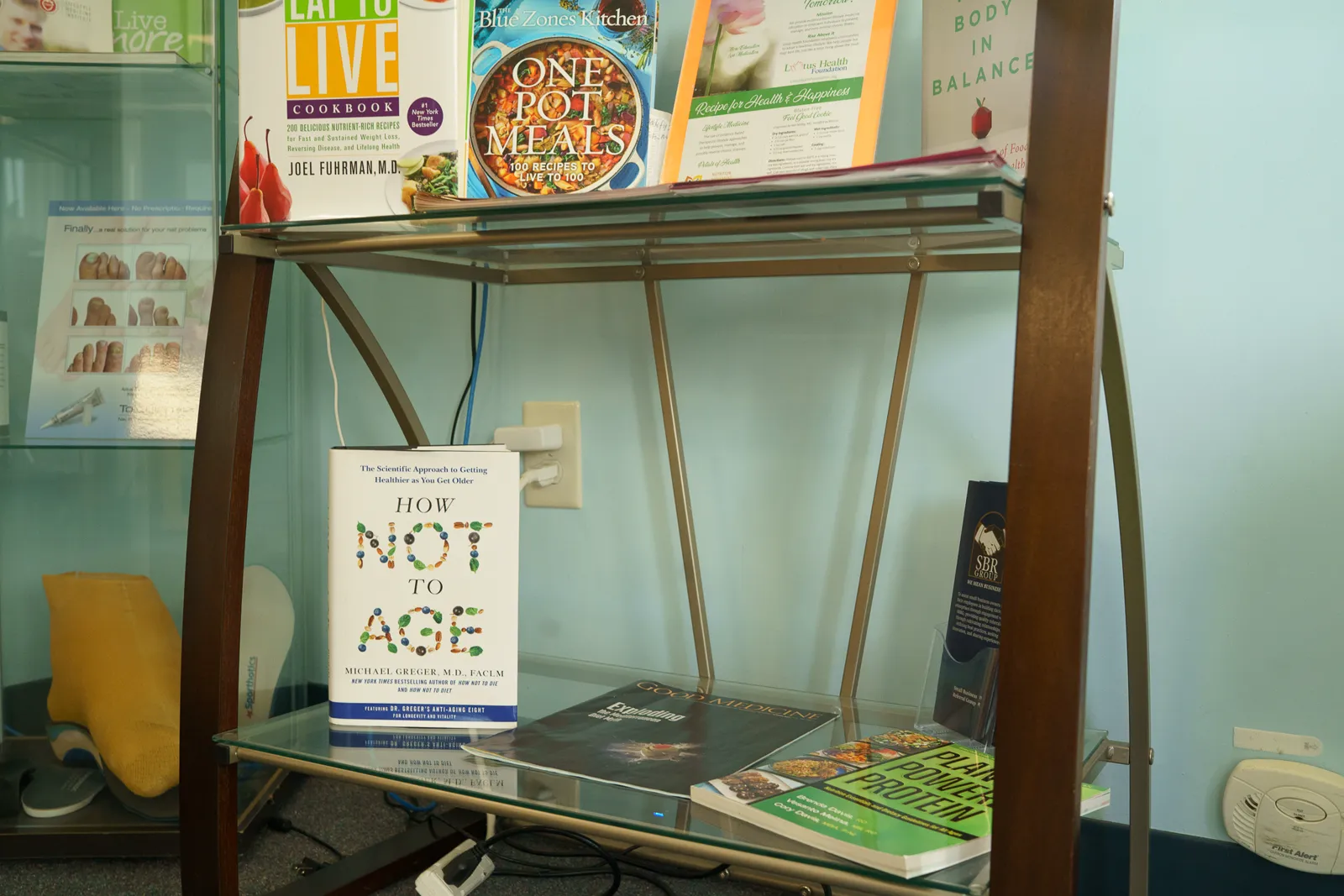
Lifestyle Medicine
Build Health.
Address everyday factors, including nutrition, movement, sleep, stress management and social connection, that influence long-term health and resilience.
Learn MoreTreatment Options
Explore Treatment Options
What might be used as part of your care.
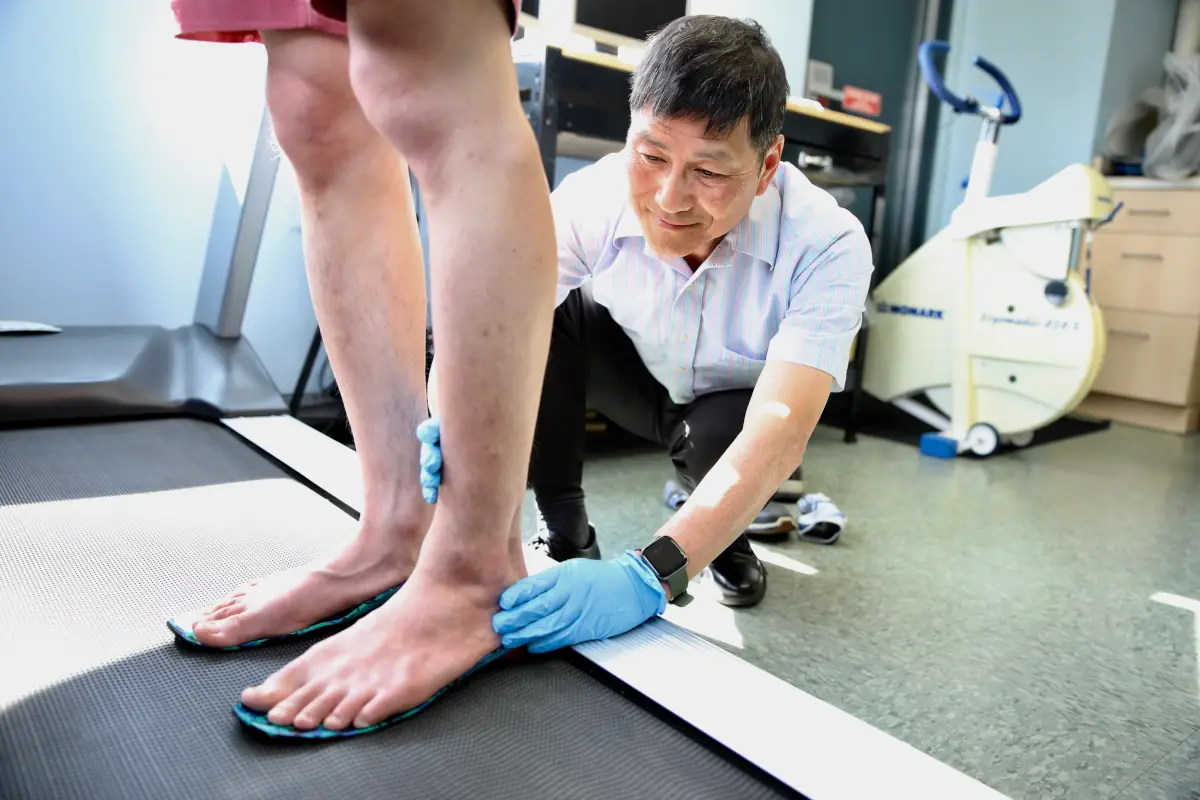
Custom Orthotics & Biomechanics
Prescription devices designed around your biomechanics, footwear, and activity.
Learn MoreLaser Therapy
Focused Class IV laser for targeted relief and recovery, delivered in the clinic.
Learn MoreRed-Light Therapy
Broader, lower-intensity light for ongoing recovery and maintenance.
Learn MorePRP (Platelet-Rich Plasma)
Your own blood's healing factors, concentrated to support tissue repair.
Learn MoreLifestyle & Nutrition Support
Nutrition, movement, sleep, and daily habits that build long-term health.
Learn More

A Philosophy Built Through Experience
Meet Jengyu Lai, DPM
Founder, Rochester Clinic
For more than 28 years, Dr. Jengyu Lai's work in foot and ankle medicine, biomechanics, wound care, rehabilitation, research, and Lifestyle Medicine has reinforced one fundamental belief:
You can't fully understand one part of the body without considering the whole person.
As founder of Rochester Clinic, Dr. Lai built the practice around this philosophy, looking beyond where it hurts to understand the factors that may be contributing to pain, impaired function, delayed healing, or recurring problems. His approach combines clinical expertise with curiosity: listening carefully, asking why, considering the whole person, and partnering with patients to develop practical strategies for better health.
Reviews
What Our Patients Say
I called every office in Rochester and everyone said I'd have to wait a few days. Rochester Clinic squeezed me in the same day and was so pleasant and compassionate. The doctor explained not only the reason for my issue but recommended shoes, home therapy, and diet changes to promote healing.
My PCP across town said I had a callus, but Rochester Clinic took out a sliver from the bottom of my foot. Sometimes even something very small can cause a lot of discomfort!
I saw Dr. Lai because I thought I broke my right foot. An initial examination showed my right leg is longer than my left leg. I've never known this. Truly appreciated the great quality service and advice.
Dr. Lai and his staff are great to work with. Easily accessible location with ample parking. It's great not feeling like a number when dealing with healthcare in Rochester.
I believe in the lifestyle medicine they are doing, and it's very holistic. They show they care and work to get to the root issues of my health concerns. Thank you!
Our Location
Visit Us
Hours in Operation
- Monday – Thursday: 8:00am – 5:00pm
- Friday: By appointment
- Saturday – Sunday: Closed
Ready to feel better?
Request an appointment today for personal care and attention. We're here to help you take the next step toward lifelong vitality.