February 3, 2026
Why Your Tendon Pain Won’t Heal – Tendonitis vs Tendinosis

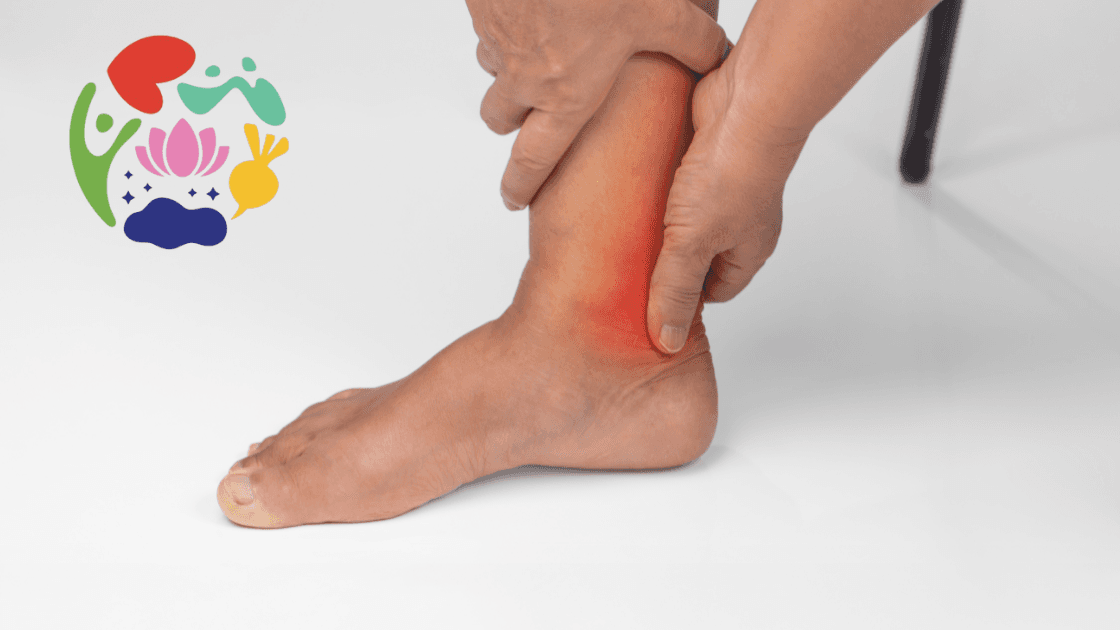
If your tendon pain keeps coming back no matter how much you ice it, rest it, or take anti inflammatories, there’s a good chance the real problem hasn’t been identified yet. Many people are told they have tendonitis, but long lasting tendon pain is often something different: tendinosis.
Knowing the difference is the first step toward finally healing.
Tendonitis vs Tendinosis: What’s the Difference?
Tendonitis
Tendonitis means inflammation of the tendon. It usually happens after a sudden increase in activity or an acute injury.
Sharp, recent pain
Warmth or swelling
Often improves with rest, ice, and anti inflammatories
Tendinosis
Tendinosis means degeneration, not inflammation. It develops slowly over time from repeated stress or poor movement patterns.
Chronic, aching pain
No swelling or redness
Does not improve with anti inflammatories
Needs regenerative and biomechanical correction
This is why so many people feel stuck, tendinosis doesn’t respond to treatments meant for inflammation.
Side by Side Comparison
Feature
Tendonitis (Inflammation)
Tendinosis (Degeneration)
Cause
Sudden irritation or overload
Long term micro trauma and poor blood flow
Pain Pattern
Sharp, recent pain
Chronic, aching, stiffness
Inflammation Present?
Yes
No or minimal
Response to Ice/NSAIDs
Often helpful
Usually ineffective
Best Treatment Approach
Short term rest and anti inflammatory care
Regenerative therapies and progressive loading
Key to Long Term Healing
Reduce irritation
Correct biomechanics and rebuild tendon tissue
Why Biomechanics Matter
Whether the issue is tendonitis or tendinosis, the reason the tendon became overloaded is often hidden in how you move.
A biomechanical assessment can reveal:
Joint alignment issues
Muscle imbalances
Gait or posture problems
Correcting these issues prevents the tendon from being repeatedly overloaded, something no medication or rest can fix on its own.
Regenerative Treatment Options for Tendinosis
Because tendinosis involves degeneration, not inflammation, regenerative therapies help the tendon repair and rebuild:
Regenerative Modalities: Support circulation and cellular repair, such as Class IV laser and stem cells
Peptide Therapy: Helps signal tissue healing and collagen rebuilding
Stem Cell–Based Therapies: Provide regenerative support for damaged tendon fibers
Progressive Loading Exercises: Strengthen and reorganize tendon tissue
Lifestyle Support: Nutrition, sleep, and stress management to optimize healing
These approaches help the tendon regenerate instead of simply calming symptoms.
The Bottom Line
If your tendon pain hasn’t healed, it may not be tendonitis at all. It might be tendinosis, which requires a completely different approach.
Getting the right diagnosis, a biomechanical assessment, and the right regenerative treatments is the fastest way to finally break the cycle and start healing for good.
Explore more from Rochester Clinic.