
January 28, 2026
The 3 Phase Plan to Permanently Fix Tendon Pain
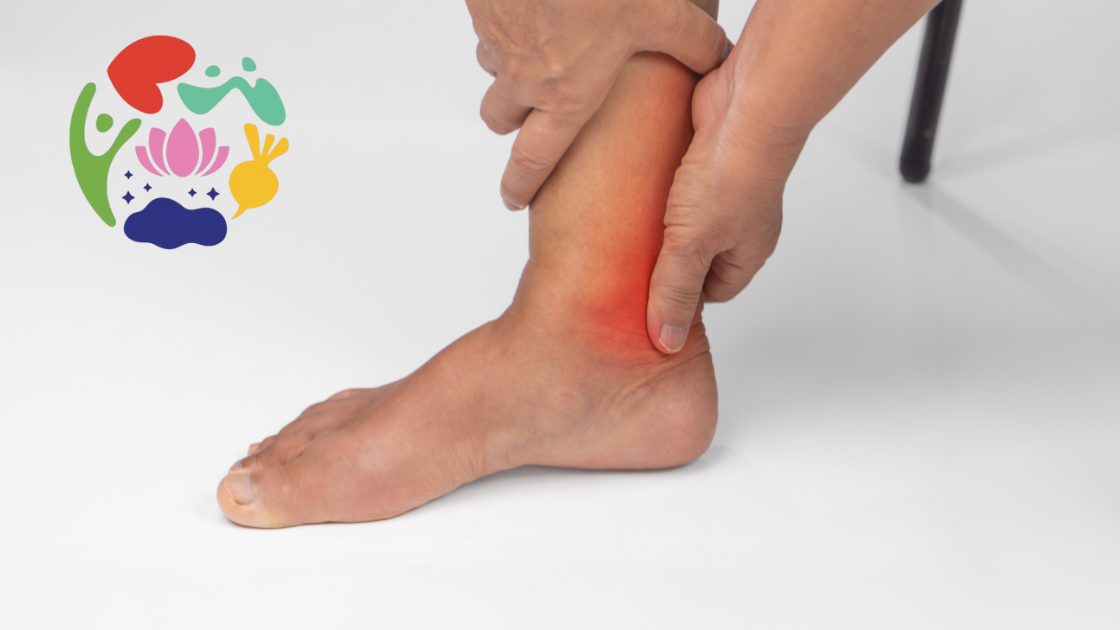
Tendon pain can be stubborn. It lingers, flares up during activity, and often returns even after rest or medication. The reason is simple: most treatments only focus on calming symptoms, not fixing the root cause.
A lasting solution requires a structured plan that stops the pain, repairs the tendon, and prevents the problem from coming back. Here’s the 3-phase approach that actually works.
Phase 1: Stop the Pain (Identify the Root Cause)
Before anything can heal, we need to understand why the tendon is hurting in the first place. Tendon pain is rarely random, it’s usually caused by mechanical overload, poor movement patterns, or chronic micro trauma.
Biomechanical AssessmentThis is the foundation of Phase 1.
A biomechanical exam looks at:
How you walk, run, and move
Joint alignment
Muscle imbalances
Posture and gait mechanics
Where excessive stress is being placed
Once we know the root cause, we can calm the irritated tendon without guessing.
Pain Relief ModalitiesTo reduce pain quickly and safely, Phase 1 may include:
Topical anti-inflammatory or analgesic creams
Class IV laser therapy to reduce pain and improve circulation
Supportive taping or bracing
Activity modification to reduce overload
The goal of Phase 1 is simple:Reduce pain while identifying the mechanical cause behind it.
Phase 2: Repair and Regenerate the Tendon
Once the pain is under control and the root cause is identified, it’s time to rebuild the tendon. This is where most people fail, because they skip straight to rest or stretching without addressing tissue health.
Lifestyle Medicine: The Internal Repair SystemThe six pillars of lifestyle medicine support tendon healing from the inside out:
Nutrition: Provides the building blocks for collagen repair
Physical Activity: Appropriate loading stimulates tendon regeneration
Stress Management: Reduces cortisol, which slows healing
Sleep: Essential for tissue repair and hormone balance
Avoiding Risky Substances: Supports overall recovery
Social Connection: Improves adherence and reduces stress
These pillars create the biological environment tendons need to heal.
Regenerative ModalitiesFor chronic or degenerative tendon issues (tendinosis), regenerative therapies can accelerate repair:
Class IV laser therapy for cellular repair
Peptide therapy to signal collagen rebuilding
Stem cell–based therapies for advanced degeneration
Progressive loading exercises to reorganize tendon fibers
Phase 2 is all about repairing the tendon, not just calming symptoms.
Phase 3: Prevent Recurrence
Once the tendon is healed, the final step is making sure the pain never returns. Tendon problems often come back because the underlying mechanical issues were never fully corrected.
Biomechanical CorrectionsThis may include:
Custom or semi-custom orthotics
Footwear adjustments
Strengthening weak stabilizers
Correcting gait or posture patterns
Mobility work for tight or restricted joints
Proper Training & Load ManagementTo keep tendons healthy long term:
Progress activity gradually
Avoid sudden spikes in training volume
Maintain strength in supporting muscles
Use recovery strategies consistently
Phase 3 ensures that the tendon stays strong, resilient, and protected from future overload.
The Bottom Line
Tendon pain doesn’t have to be a lifelong struggle. With the right plan, tendons can heal, and stay healed.
Phase 1: Stop the pain + identify the root cause
Phase 2: Repair and regenerate the tendon
Phase 3: Prevent recurrence with biomechanical correction and smart training
This 3-phase approach addresses the whole picture: the tendon, the movement patterns, and the lifestyle factors that influence healing.
Explore more from Rochester Clinic.