
January 13, 2026
PRP vs Stem Cells: Which Repairs Tendon Better?
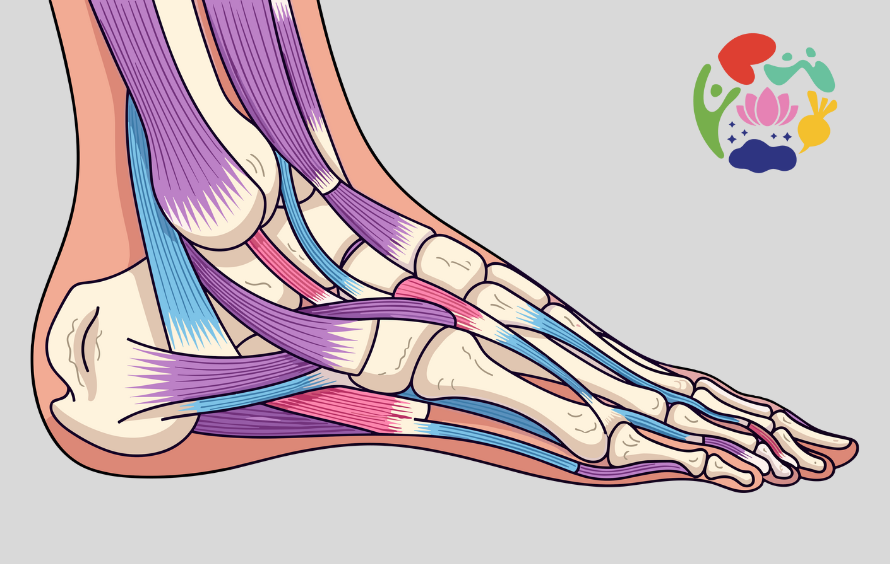
If you’ve been struggling with stubborn tendon pain, Achilles pain, tennis elbow, rotator cuff issues, or chronic tendinosis, you’ve probably heard about regenerative treatments like PRP and stem cells. Both are designed to help the tendon heal itself, but they work in different ways and are used for different stages of injury.
Understanding the difference can help you choose the right treatment and set the right expectations.
What Is PRP?
PRP stands for Platelet-Rich Plasma. It’s made from your own blood.
How it’s made:
A small amount of your blood is drawn
It’s spun in a centrifuge
The platelets are concentrated and injected into the injured tendon
How PRP promotes healing:
Platelets contain growth factors, natural signals your body uses to repair tissue. When injected into a damaged tendon, PRP:
Stimulates collagen repair
Increases blood flow
Triggers a controlled healing response
Important to know: PRP often increases pain first
Because PRP intentionally stimulates inflammation, it’s normal to feel:
Increased soreness
More stiffness
A temporary flare-up
This is part of the healing process. The tendon is being “re-activated” so it can rebuild. Pain usually improves over several weeks as new tissue forms.
What Are Stem Cells?
Stem cells are regenerative cells capable of repairing and rebuilding damaged tissue.
Clinically, the most common sources are:
Bone marrow–derived cells
Adipose (fat)–derived cells
Wharton’s jelly / umbilical cord–derived mesenchymal stem cells (MSCs)
How stem cells promote healing:
Stem cells help tendons heal by:
Reducing inflammation
Releasing growth factors and cytokines
Supporting collagen regeneration
Improving tendon structure and strength
Modulating the local environment so healing can occur
Unlike PRP, stem cells do not typically cause a pain flare. They tend to calm the area while promoting repair.
PRP vs. Stem Cells: Side by Side
Feature
PRP
Stem Cells
Source
Your own blood
Bone marrow, fat, or umbilical tissue (depending on clinic scope)
Main Action
Stimulates inflammation to restart healing
Regenerates tissue and modulates inflammation
Pain After Treatment
Often increases temporarily
Usually minimal
Best For
Tendinitis or mild–moderate tendon degeneration
Moderate–severe degeneration or chronic non-healing
Healing Timeline
Weeks to months
Often faster and more robust for severe cases
Mechanism
Growth factors only
Growth factors + regenerative cells
Which Repairs Tendon Better?
It depends on the severity of the tendon damage.
PRP may be better when:
The tendon has tendinitis or mild to moderate degeneration
You want a natural, blood-based option
You can tolerate a temporary pain flare
Stem cells may be better when:
The tendon has significant degeneration
PRP hasn’t worked
You want a stronger regenerative effect
You prefer less post-treatment pain
Both treatments work best when combined with:
Accurate diagnosis (tendinitis vs. tendinosis)
Biomechanical assessment to identify the root cause
Corrective loading exercises
Lifestyle support (nutrition, sleep, stress)
Regenerative medicine repairs tissue, but biomechanics prevents the injury from coming back.
The Bottom Line
PRP and stem cells are powerful tools for tendon healing, but they’re not interchangeable.
PRP jump-starts healing by creating controlled inflammation
Stem cells rebuild tissue and calm chronic degeneration
PRP often increases pain at first, while stem cells usually do not
The best choice depends on the severity of the tendon damage and your healing goals
A proper diagnosis and a biomechanics-based evaluation ensure you get the right treatment for long-term recovery.
Explore more from Rochester Clinic.