
Diabetic Foot & Wound Care
Protect Your Feet. Preserve Your Mobility.
Diabetes can affect sensation, circulation, skin health, and healing, sometimes before you notice a problem. Dr. Jengyu Lai emphasizes prevention, early identification, and timely care to help protect your feet, mobility, and independence.
Jengyu Lai, DPM | Certified Physician Wound Specialist | Board-Certified Lifestyle Medicine
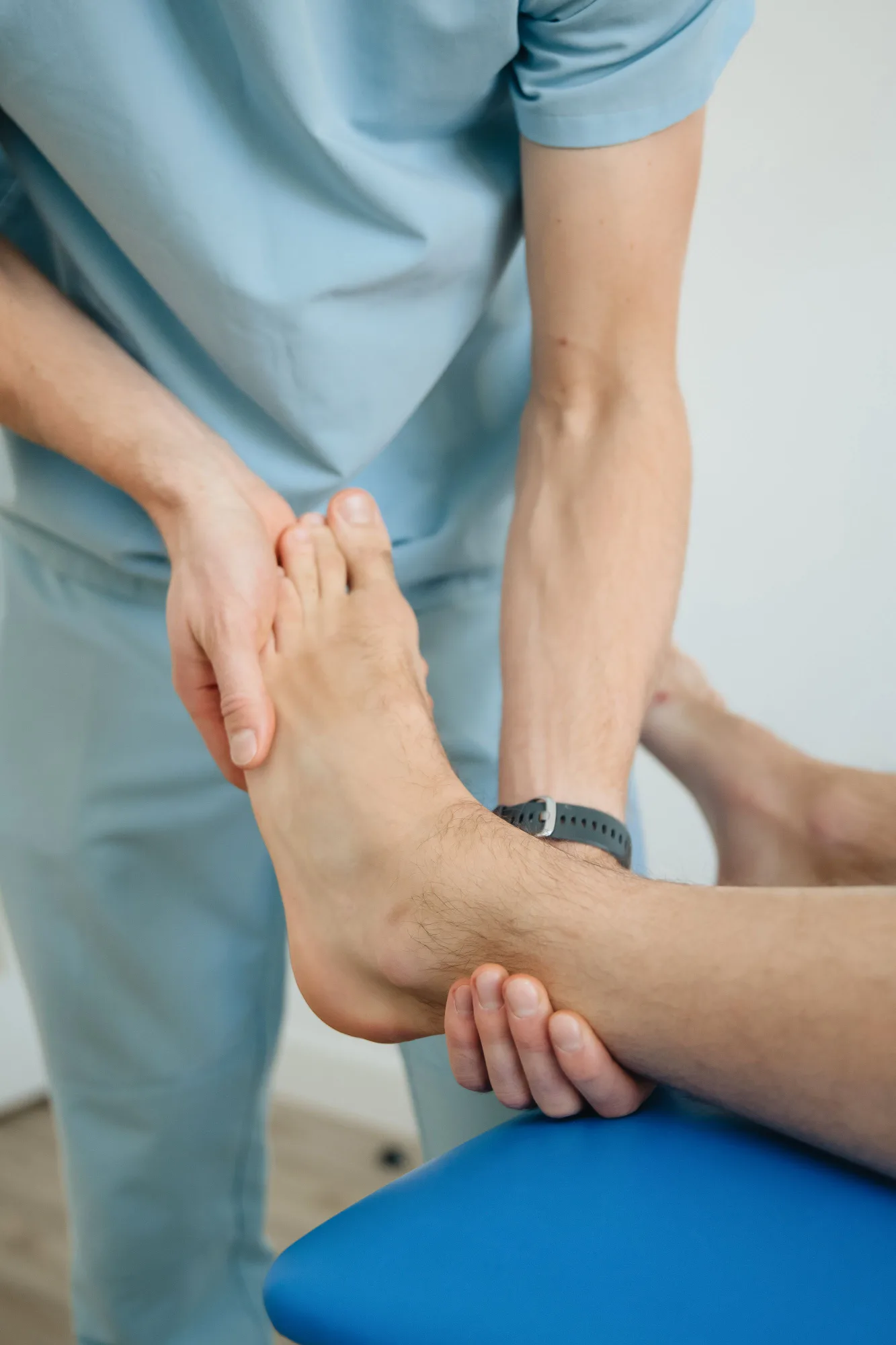
Prevention Starts Before a Wound Develops
Make Foot Care Part of Your Diabetes Care
A comprehensive diabetic foot examination can identify changes and risk factors before they become more serious.
Evaluation may include:
- Sensation
- Circulation
- Skin & Nails
- Pressure Areas
- Foot Structure
- Balance & Gait
- Footwear
Don't Wait Until Something Hurts
Make a comprehensive diabetic foot examination part of your annual preventive care.
What We Watch For
Changes Worth an Early Look
Neuropathy & Loss of Sensation
Numbness, tingling, burning, or reduced sensation.
Pressure & Skin Changes
Calluses, blisters, cracks, redness, or areas of repeated pressure.
Diabetic Foot Ulcers
Wounds that may be affected by neuropathy, pressure, circulation, and other factors that influence healing.
Infection Concerns
Increasing redness, warmth, swelling, drainage, or other concerning changes.
Foot Shape & Charcot Changes
Changes in foot structure, alignment, or stability.
Diabetic Shoes & Protective Footwear
The Right Footwear Can Be Part of Prevention
For appropriate patients, therapeutic diabetic shoes and inserts can help reduce pressure, accommodate foot changes, and protect vulnerable areas.
Dr. Lai can evaluate your feet and determine whether diabetic shoes, inserts, or other footwear modifications may be appropriate for your needs.
Ask About Diabetic Shoes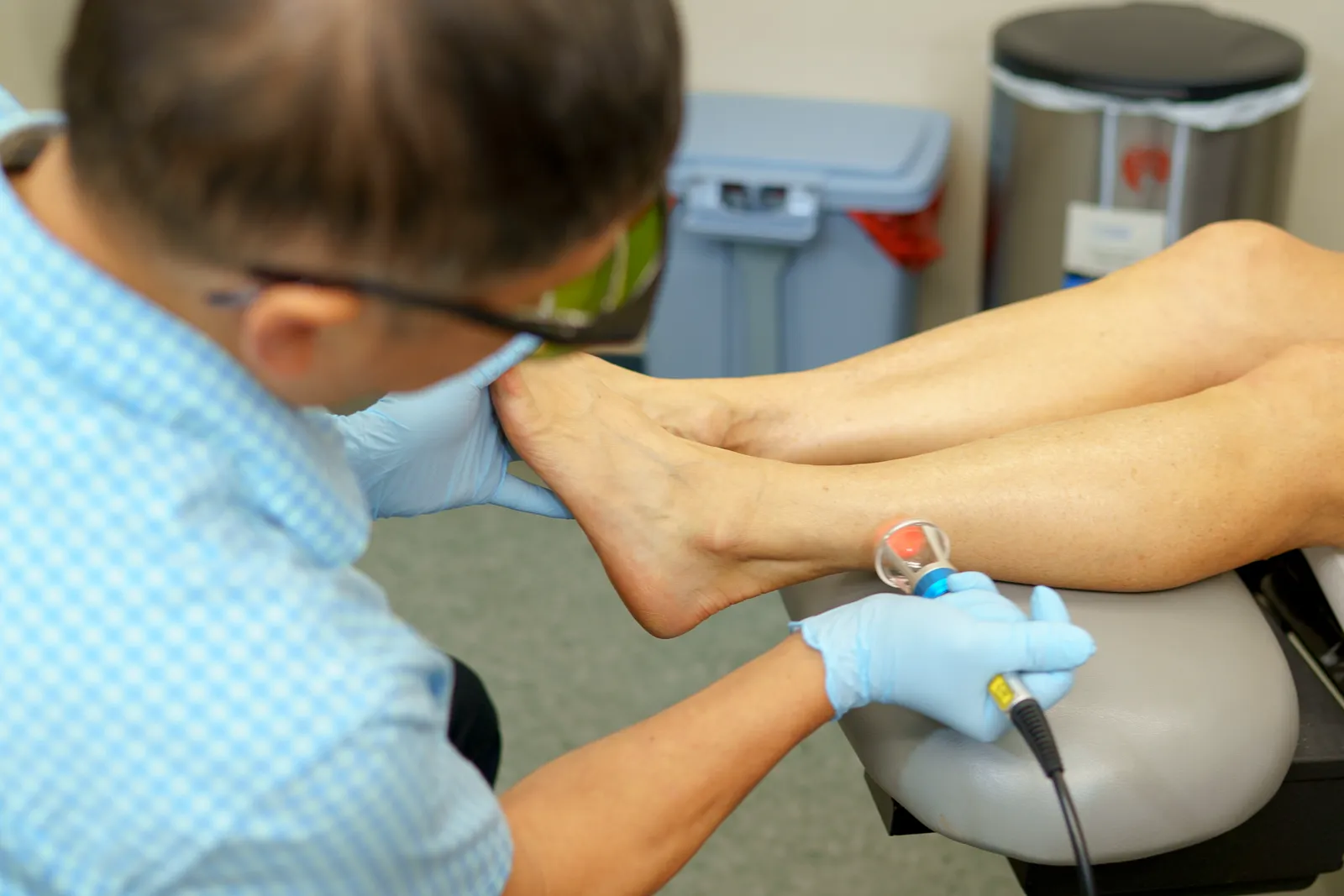
Take Action to Protect Your Feet
Schedule a Diabetic Foot Evaluation If You:
- Are due for your annual comprehensive diabetic foot exam
- Notice numbness, burning, tingling, or reduced sensation
- Develop a blister, sore, cut, or wound that isn't healing normally
- Notice redness, swelling, drainage, or other skin changes
- Have calluses or areas of repeated pressure
- Notice changes in foot shape, balance, or walking
- Want to know whether diabetic shoes may be appropriate for you
Already Have a Wound?
Comprehensive Wound Evaluation & Treatment
If you have a chronic, recurring, complex, or slow-healing wound, learn more about Dr. Lai's comprehensive approach to wound evaluation and treatment.
Protect Your Feet Before Problems Start
Annual foot examination. Appropriate footwear. Early attention to changes. Make preventive foot care part of your diabetes care and take action early when something changes.
For signs of a medical emergency or a rapidly worsening infection, seek immediate medical attention.